
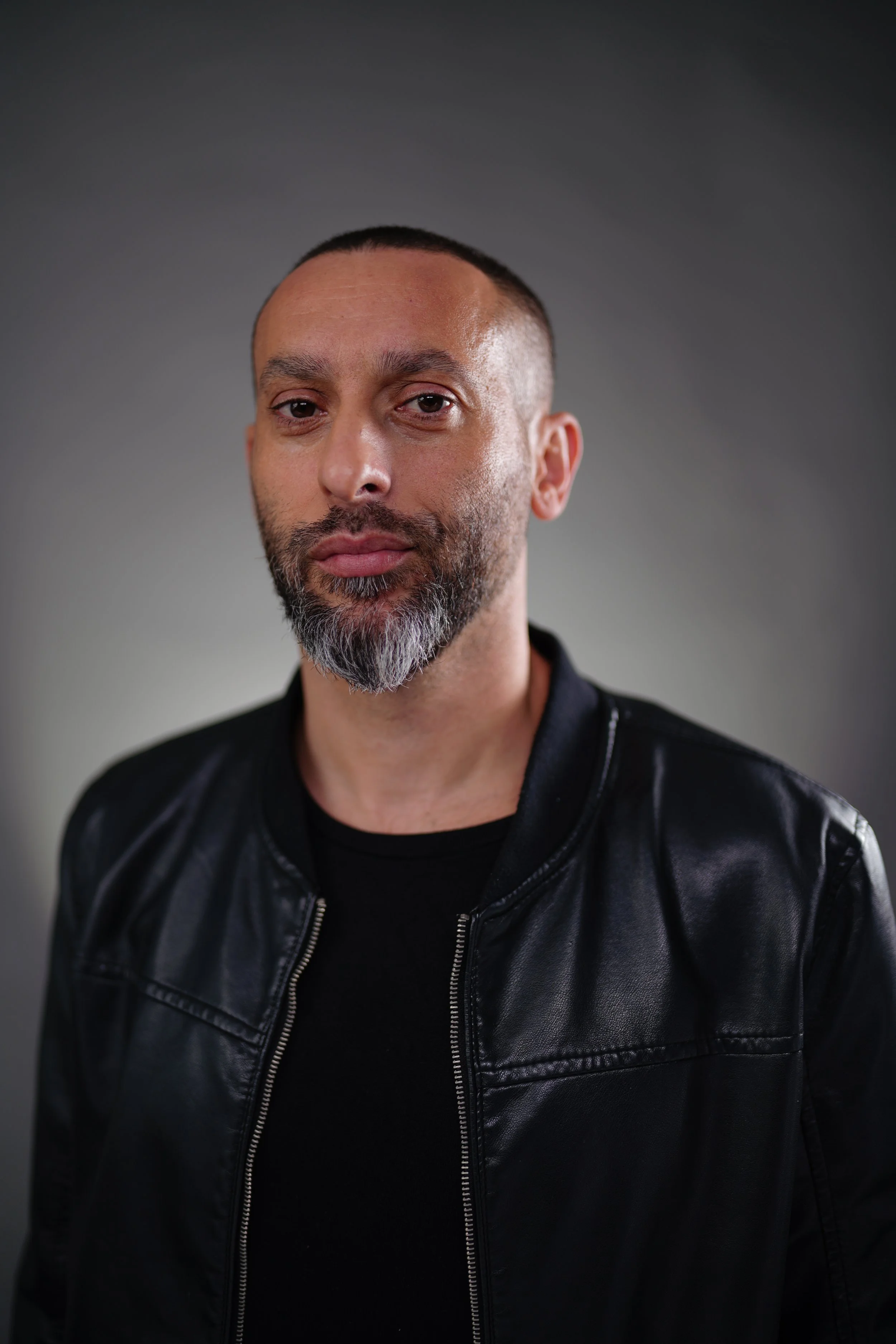
Author of
3Gs (Metropolitan, 2026)
2 ATMs (Metropolitan, 2028)
Tamer Nafar is a musician, actor, screenwriter, and social activist. Nafar grew up in Lyd, a mixed city of Palestinians and Jews 20 minutes from Tel Aviv, home to one of the largest drug markets in the Middle East. In 2000, Tamer, alongside his brother Suhell Nafar and friend Mahmood Jrere, formed the first Palestinian hip-hop group DAM, which went on to include Maysa Daw. One of their first singles “Min Irhabi” (Who's the Terrorist) was downloaded over a million times, making DAM a household name among youth throughout the Middle East, and the band at the center of J. Reem Saloum's award-winning documentary "Slingshot HipHop"
Tamer's lyrics and activities reflect the Palestinian struggle, women’s rights, and the promotion of alternative art within a conservative society. He is also known for starring in the film "Junction 48", directed by Udi Aloni and loosely based on his life story, which he co wrote with Academy Award-nominated screenwriter Oren Moverman and which won the Audience Award at the Berlinale International Film Festival and the Best International Narrative Feature award at the 2016 Tribeca Film Festival. More recently, he starred in the play “How to make a Revolution” by Einat Weizman, about nonviolence leader Issa Amro. Tamer is a flagship artist at Albi, a new initiative using culture as a vehicle for change. He is also a regular opinion contributor to Ha’aretz and his pieces have appeared in The Guardian.
Tamer Nafar
Books by Tamer
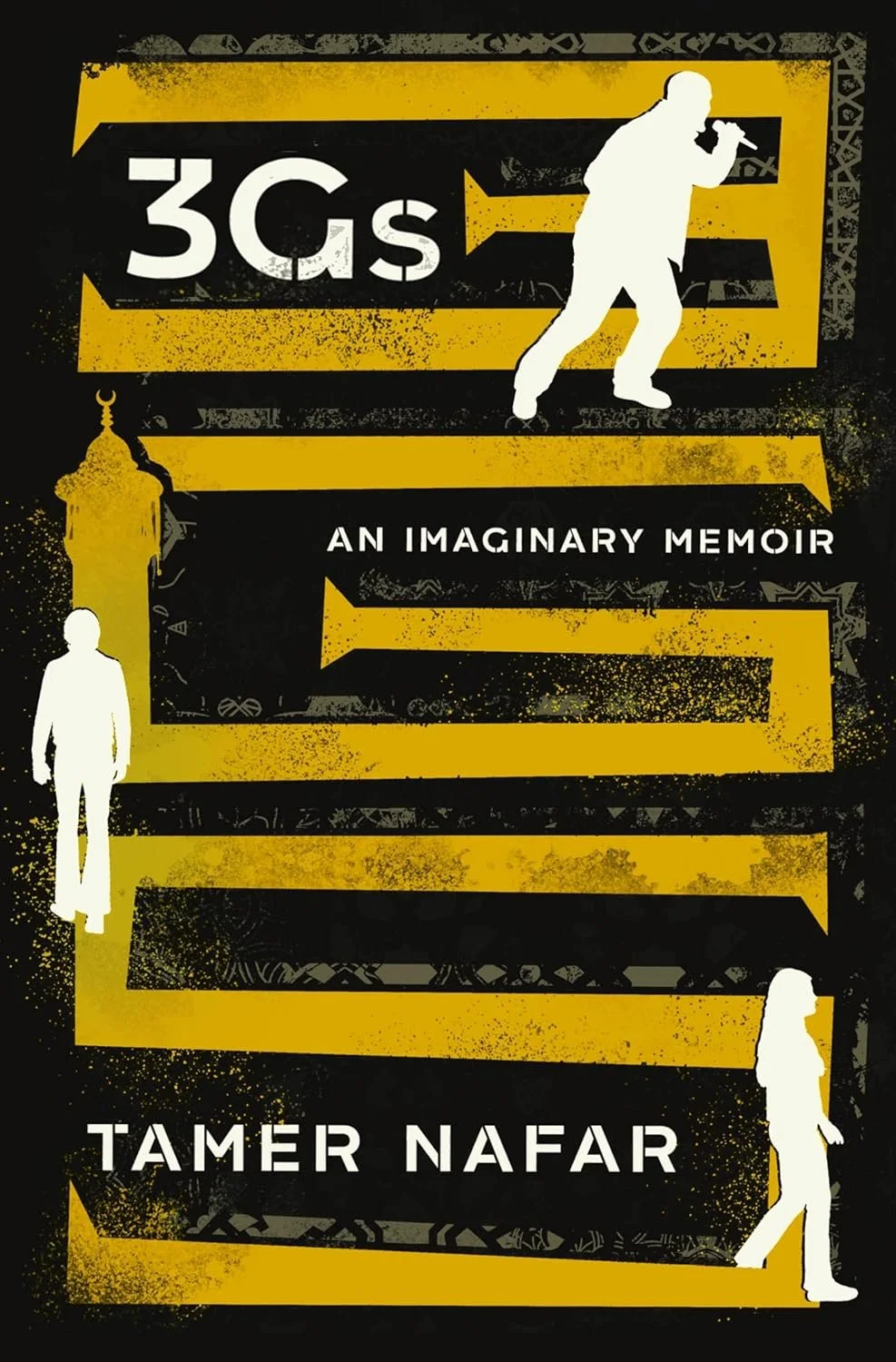
3Gs (Metropolitan Books, 2026)
From “the Chuck D of Palestinian hip-hop” (Los Angeles Times), a memoir of three generations of one family of Palestinians up against loss, oppression, and a shape-shifting past, present, and future, in a work of stunning originality and kinetic energy
3Gs tells the stories of a father, his son, and his son’s future daughter—Fawzi, Tamer, and Shaden Nafar—three generations of fracture and dissonance, stubborn insistence, love, hope, and the will to create. It’s also the story of a town—Lyd to the Palestinians who fled there in ’48, Lod to Jewish Israelis—built of people from elsewhere, swamped by crime and poverty, and, in the not-too-distant future, off-limits to those who call it Lyd.
Fawzi, Tamer’s father, keeps his head down as the 1948 expulsion lives in his bones. He gets by, passing as a postman though he can’t read, installing boilers, and playing in a wedding band, until an accident puts him in a wheelchair. Tamer keeps his head up and his voice loud, spitting punchlines and cries of fury, not leaving Lyd even as the violence comes for his own. He will come to a point of understanding and gentle respect for the father who, he always thought, hadn’t fought back. Shaden is the future—Lyd is in her past, but she risks returning to save its artifacts and memories to live in Palestine-in-the-Cloud, a place beyond conquest and capture.
Part oral history, part fable, part self-analysis, 3Gs defies the expectations of memoir with the emotional vastness of a multi-generational novel and the rhythmic force of rap. It is a wildly innovative work of power and pathos that introduces a master storyteller.
PRAISE
“Magnetic and haunting, wildly innovative and darkly funny, 3Gs is an account of Palestinian family and peoplehood that explodes our ideas of what resistance might look like and what a memoir can be. Written with pain, joy, a ferocious wit and soaring imagination, Tamer Nafar’s debut is a revelation and triumph.”— Natasha Lyonne
"Tamer Nafar's extraordinary memoir-novel introduces us to three generations of a Palestinian family, who find themselves moving―sometimes racing, sometimes crawling―through the wreckage of history. Amid unrelenting upheaval, they make meaning and music of their lives by joyful, painful, and powerful attachments to family, friends, and place. 3Gs is formally daring, emotionally devastating, and truly unforgettable."―Jeff Chang, author of Can't Stop Won't Stop and Water Mirror Echo
"Nobody has created a triptych this stunning since Hieronymus Bosch. 3Gs weaves history and imagination into an earthy, hypnotic story of place and displacement, trauma and memory, music and resistance, fueled by three indelible voices crying out against the obliterating power of the state."―Adam Mansbach, #1 New York Times bestselling author of The Golem of Brooklyn and The Wrong Body
"Blending memoir, fiction, family history, hip-hop, humor, and the rhythms of oral storytelling, 3Gs is an audacious act of imagination and a stunning act of remembrance."―Mo Amer

2ATMs (Metropolitan, 2028)
A graphic novel set in Tamer’s hometown of Lyd, Israel, that tells the story of a young man caught between worlds and the 2 ATMs of his life–his day job as an upstanding bank clerk and his night-gig dispensing drugs from a hole in the wall.